
Bridge removal
We plan bridge demolition and removal with the owner, engineers and project specialists. Send us the location, condition and available drawings to discuss the work.
Based in Tuggerah. Central Coast, Newcastle and Hunter.
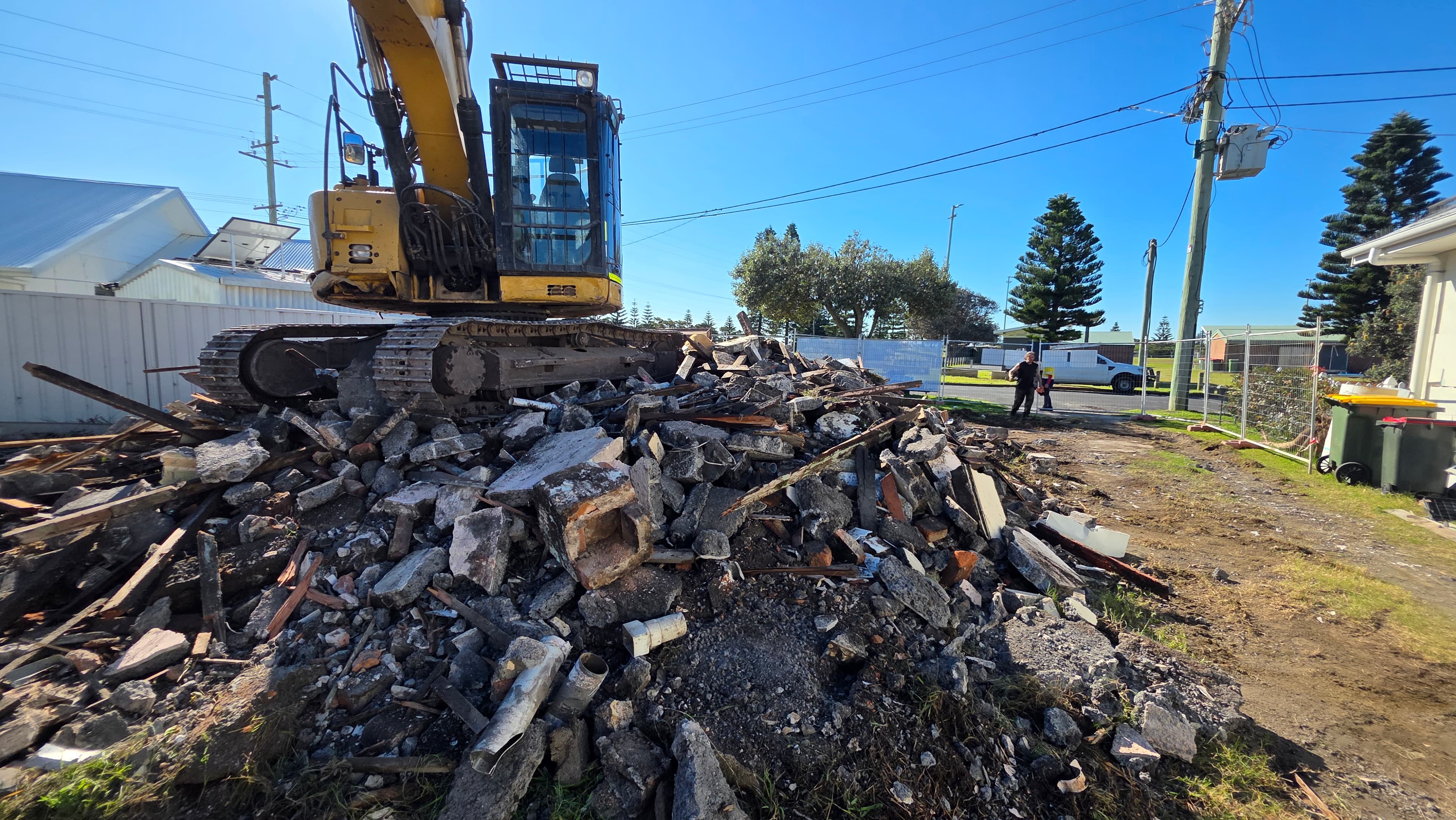
Access, waterways and surrounding land
Waterways, access routes, neighbouring land and services affect how a bridge can be removed. We work through these requirements alongside engineering advice and plans for the approaches or replacement bridge.
What we can include
- Bridge demolition and removal scoped to the individual structure
- Coordination with engineers, approval bodies and other project specialists where required
- Access, removal boundaries and the agreed condition of approaches discussed together
Planning bridge removal
Identify the structure
Provide the location, owner’s details, approximate dimensions, construction material and drawings or condition reports if available. Explain whether the bridge is still in use.
Map the constraints
Identify waterways, roads, services and neighbouring property. Tell us about existing environmental conditions, access permissions and any alternative route needed during the work.
Coordinate the project team
Share engineering advice, approval status and the replacement programme. Removal methods, temporary works, specialist fees and responsibilities need to be agreed for the particular site.
Common questions
All demolition FAQsWhat information should I send first?
Start with the location, structure type, photos already available, ownership and reason for removal. Existing drawings and reports help establish what further project input is needed.
Can you quote before the engineering is complete?
We can start a conversation at that stage. A firm scope may depend on engineering, access and approval information; make clear which details are still being developed.
Does bridge removal include building the replacement?
A replacement bridge is a separate construction scope. Tell us about its programme and contractor so removal and handover can be coordinated with the next stage.